

Upgrading your electric cooktop is one of the most popular kitchen improvements. Whether you're replacing an ageing ceramic cooktop with a modern induction model or simply upgrading to a larger cooking surface, there are a few important electrical considerations that can affect the installation.
Many homeowners assume a new cooktop is simply a matter of disconnecting the old one and plugging in the new one. In reality, modern Australian electrical standards, existing wiring and the design of your kitchen can all influence the work required.
Understanding these factors before purchasing a new appliance can save time, avoid unexpected costs and help you choose a cooktop that's suitable for your home.
Table of Contents
Does Your Cooktop Have a Local Switch?
One of the most common issues we find is the absence of a dedicated cooktop isolation switch for a cooktop.
Under AS/NZS 3000 (the Australian Wiring Rules), fixed cooking appliances with open cooking surfaces require a means of isolation that is readily accessible. In most homes, this is a dedicated switch located near the cooktop, often 2m of the cooktop.
The switch must not require reaching over the cooktop to operate it, and should be clearly marked with the appliance they control.
The purpose of this switch is to allow the cooktop to be safely isolated without needing to access the switchboard.
If your existing cooktop doesn't have a switch, one may need to be installed as part of the upgrade.
Why This Can Affect Your Kitchen
Installing a new isolation switch isn't always straightforward.
Depending on the construction of your kitchen, additional work may be required, particularly if you have:
- Glass splashbacks
- Stone splashbacks
- Tiled splashbacks
- Full-height stone behind the cooktop
These materials can make it difficult or impossible to install a new switch without additional trade work or an alternative installation method. It's worth considering this before ordering a new appliance.
Will Your Existing Circuit Handle the New Cooktop?
Not all cooktops use the same amount of power.
Older electric cooktops (particularly smaller ceramic or solid hotplate models) may only require a relatively small electrical circuit.
Modern induction cooktops often draw significantly more current.
If the new appliance requires more power than your existing circuit is designed to carry, the circuit will need upgrading.
Things we will consider:
- Cable size
- Circuit breaker rating
- Installation method
- Manufacturer's electrical requirements
Simply replacing the circuit breaker with a larger one is not a safe solution. Every part of the circuit must be capable of carrying the increased load.
Does Your Oven and Cooktop Share the Same Circuit?
Many homes, particularly those built several decades ago, have the oven and cooktop connected to a single dedicated cooking appliance circuit.
While this arrangement is permitted, it can limit your upgrade options.
Because both appliances share the available electrical capacity, installing a larger induction cooktop may exceed what the shared circuit can safely supply.
In some cases the solution is simply selecting a cooktop with a lower maximum demand. In other situations, a completely new circuit may need to be installed.
This is something that's worth checking before purchasing a new appliance.
Is the Circuit Protected by a Safety Switch?
Older cooking appliance circuits are often protected only by a circuit breaker.
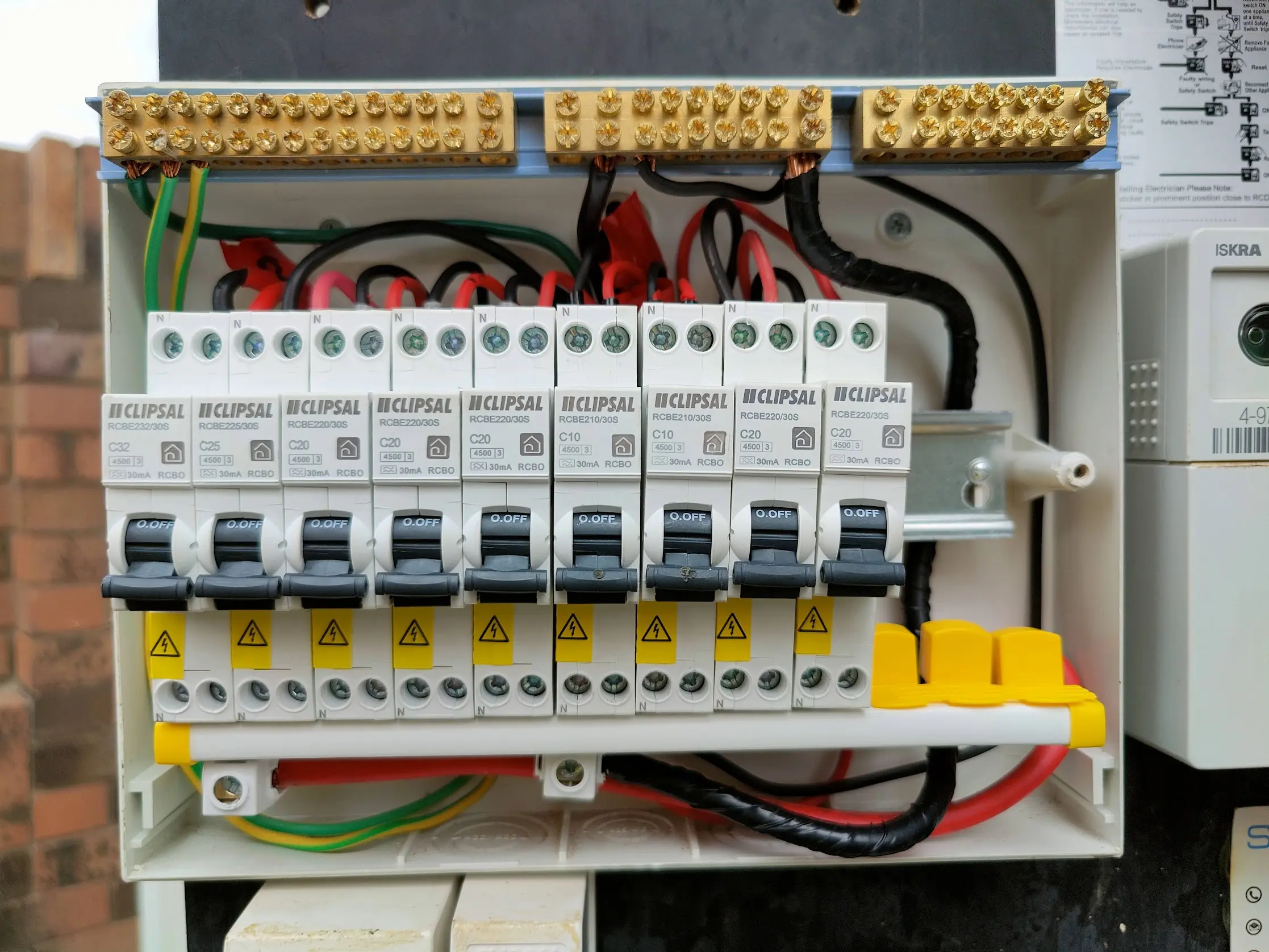
If electrical modifications are required during the installation, such as adding an isolation switch or upgrading wiring, the circuit may also need to be upgraded to include RCD (Safety Switch) protection to comply with current wiring requirements.
Even where it isn't strictly required, upgrading to RCD protection is strongly recommended.
A cooktop is a large metallic appliance that is frequently touched while in use. An RCD provides additional protection by disconnecting the power extremely quickly if an electrical fault occurs, significantly reducing the risk of serious electric shock.
Check the Benchtop Cut-Out Size
Not all cooktops use the same cut-out dimensions.
Even if the external size appears identical, the opening in the benchtop may need to be enlarged or, less commonly, reduced.
Some benchtops (like stone) will require a specialist trade if modifications are needed.
Always compare the manufacturer's required cut-out dimensions with your existing opening before purchasing.
Ventilation Requirements
Modern induction cooktops require adequate airflow to keep the internal electronics cool.
Cabinets filled with drawers, stored items or insufficient ventilation may not meet the manufacturer's installation requirements.
Following the manufacturer's clearance requirements helps ensure reliable operation and maintains warranty coverage.
Choosing the Right Cooktop
Higher power doesn't always mean better.
Some induction cooktops offer very high maximum demand ratings, while others intelligently manage their power output and can operate successfully on smaller circuits.
An electrician can often advise whether a particular model is suitable for your existing electrical installation before you purchase it.
Homeowner Checklist Before Buying a New Cooktop
Before purchasing a replacement cooktop, check the following:
- Is there an accessible isolation switch for the cooktop?
- If not, is there a suitable location where one could be installed?
- Do you have a glass, stone or tiled splashback that could affect installing a new switch?
- What is the rating of the existing cooktop circuit?
- What size circuit does the new cooktop require?
- Does the oven share the same electrical circuit as the cooktop?
- Is the circuit protected by an RCD (Safety Switch)?
- Will the new cooktop fit the existing benchtop cut-out?
- Are the manufacturer's ventilation clearances able to be met?
- If you're choosing an induction cooktop, have you confirmed your cookware is induction compatible?
Planning Ahead Can Save Time and Money
The best time to check your electrical installation is before purchasing a new cooktop.
A quick inspection by a licensed electrician can identify any limitations with the existing circuit, determine whether upgrades will be required and help you select a cooktop that's suitable for your home.
Knowing what's involved before ordering the appliance helps avoid installation delays, unexpected costs and the frustration of discovering your new cooktop can't simply be connected to the existing wiring.